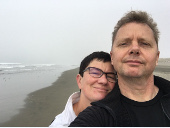
Angelika It's hard to believe, but one of its largest green oases, the Presidio, San Francisco owes to the military. Here's how it came about: When the Spanish settled the West Coast of the USA with missions in the 18th century to convert the Native Americans, they established not only churches but also military bases (Rundbrief 05/2000). In 1776, Spanish soldiers founded the garrison "Presidio" (fortress) in what is now San Francisco. After Mexico's declaration of independence from Spain, it was under the Mexican flag until 1846, when Americans took control.
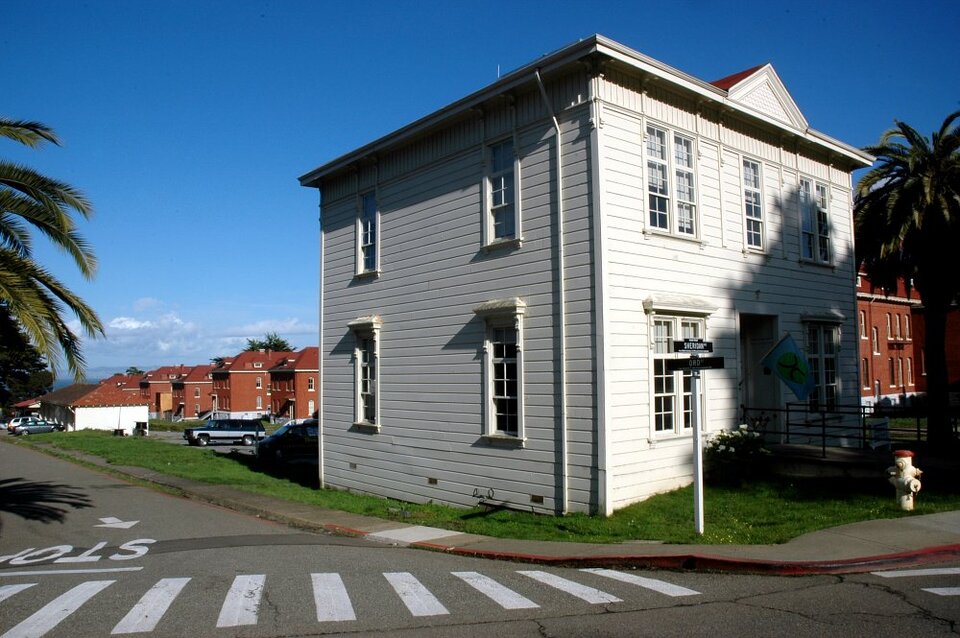
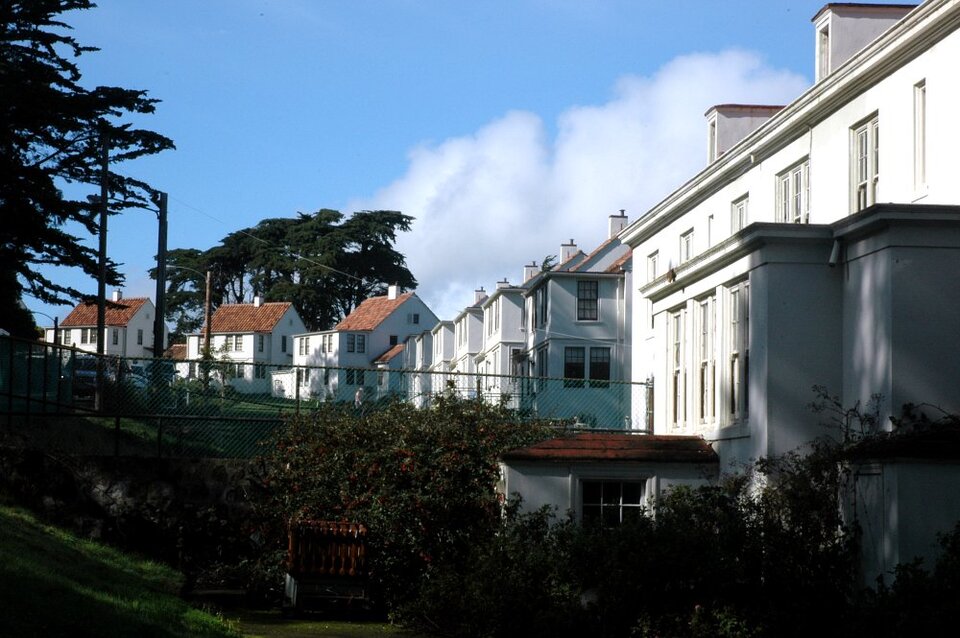
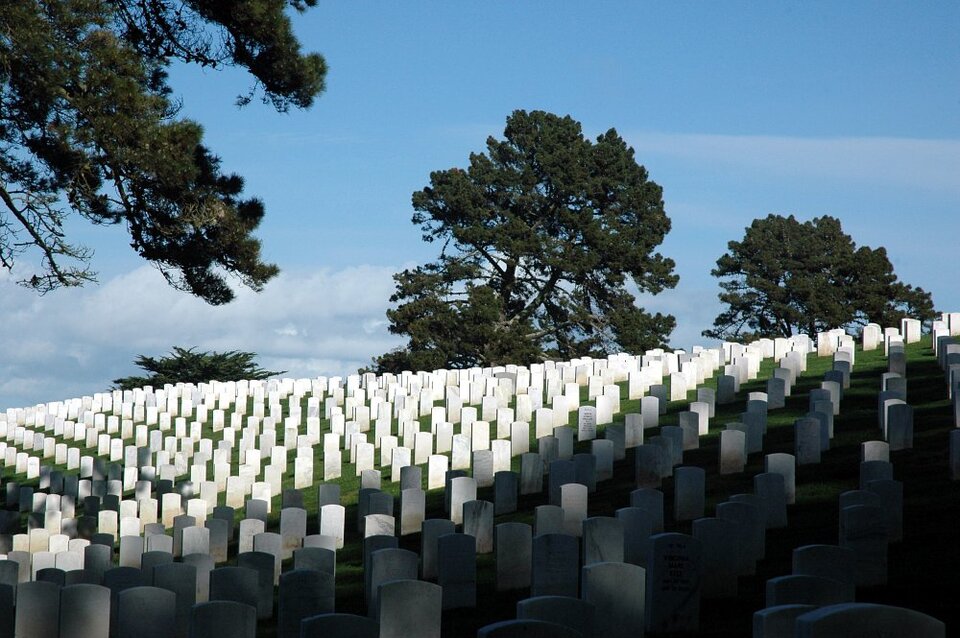
With the end of the Cold War, the American Congress decided in 1989 to reduce military bases, and in 1994 the military finally withdrew from the Presidio. It left behind over 800 often historic buildings, a military cemetery, a cemetery for the soldiers' four-legged companions, as well as extensive green spaces and groves.
And since 1994, this entire northwestern tip of the city, which borders the Golden Gate Bridge, has been under nature protection. As part of the Golden Gate National Recreational Area, it is managed by the National Park Service. Because the army occupied the area for so long, hungry real estate sharks had to stay out, and the billion-dollar land could not be sold. After all, the location is prime. Where else can you find such fantastic views of Golden Gate Bridge and the Bay? The "Presidio" is a national park of a very special kind, because by the year 2013, it must sustain itself to avoid the risk of being sold. Therefore, in 1996, the so-called "Presidio Trust" was established to ensure that the park achieves financial independence from government funds. At the same time, the charming area is, of course, meant to retain its character.
Money is currently coming into the coffers primarily by renting out the buildings to private individuals for residential purposes and for commercial use. So if you plan to set up camp in San Francisco soon, you can rent an apartment or house on the Presidio grounds. However, some people claim that there are long waiting lists. Incidentally, George Lucas ("Star Wars") has also moved his film studio to the premises.
If you ask me, the so-called "Crissy Field" is the highlight of the Presidio. Michael and I take walks here on many weekends. Behind "Crissy Field" are the former runways for military aircraft, which were located right by the Bay.
The entire area was thus concreted over until 1998, when an extensive restoration project began to return the saltwater-fed marshland to its original state. Volunteers planted over 100,000 native plants, and the runways were transformed into a lagoon.
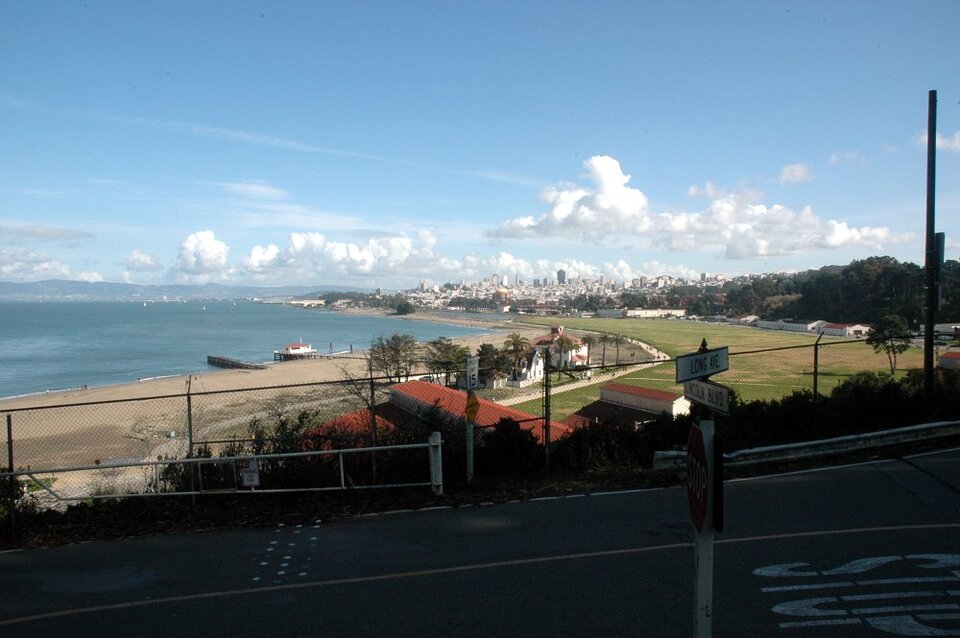
And since many travel guides are already writing about Crissy Field, I can confidently share my insider tip for visitors to San Francisco: Hop on the Cable Car at Powell Street, which will take you to Fisherman's Wharf. Skip Fisherman's Wharf, it's a total tourist trap. Instead, turn left and walk along Aquatic Park, through Fort Mason and the Marina, to Crissy Field.
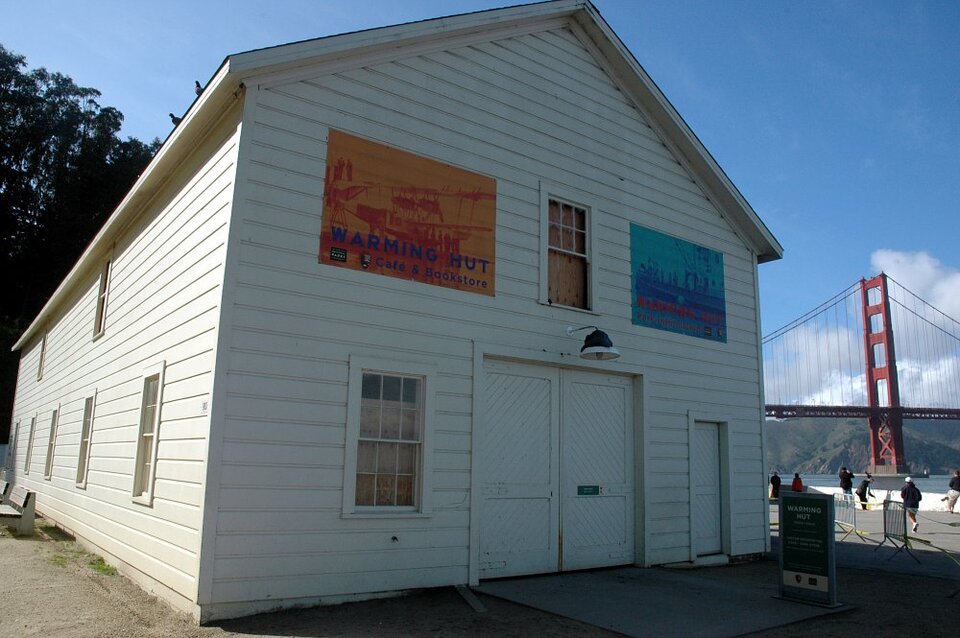
The path leads along the shore, with Golden Gate Bridge always in sight. Pause at the "Warming Hut" cafe when it reopens in a few months. Unfortunately, there was a fire there a few weeks ago, which severely damaged the building. Then take the small trail that leads up to the Golden Gate Bridge when you reach the road to Fort Point. The truly ambitious can, of course, also make a detour to Fort Point. Then wind your way up to the Golden Gate Bridge, walk across and back, and hop on a Muni bus at the southern viewpoint parking lot if you're tired and don't want to walk the same way back.