 |
| Angelika/Mike Schilli |
|

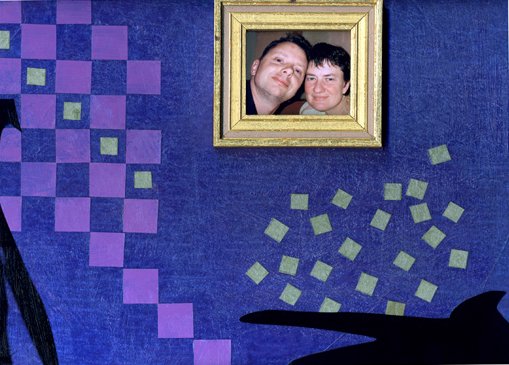
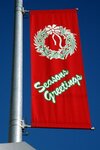
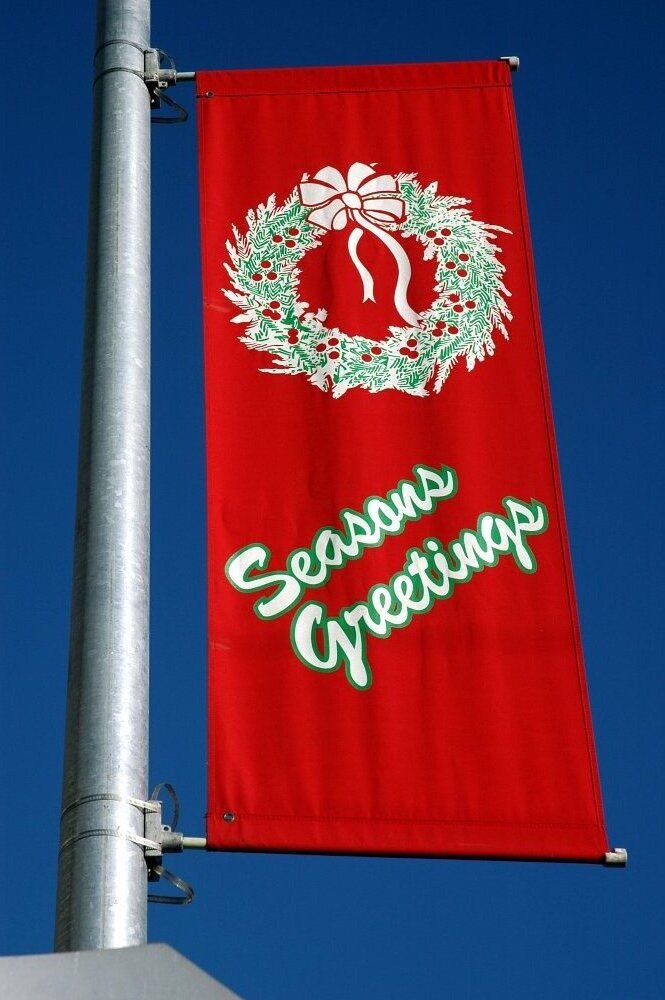
Angelika "Happy Holidays" and "Season's Greetings" can be seen and heard everywhere at the moment. Christmas is just around the corner, and eager salespeople are already greeting customers with these two phrases.
The first American "Happy Holidays" cards have also arrived by mail at our address. We rarely hear a "Merry Christmas" because, for several years now, the neutral "Happy Holidays" or "Season's Greetings" has become more common, in order not to offend people who do not celebrate the Christian Christmas holiday.
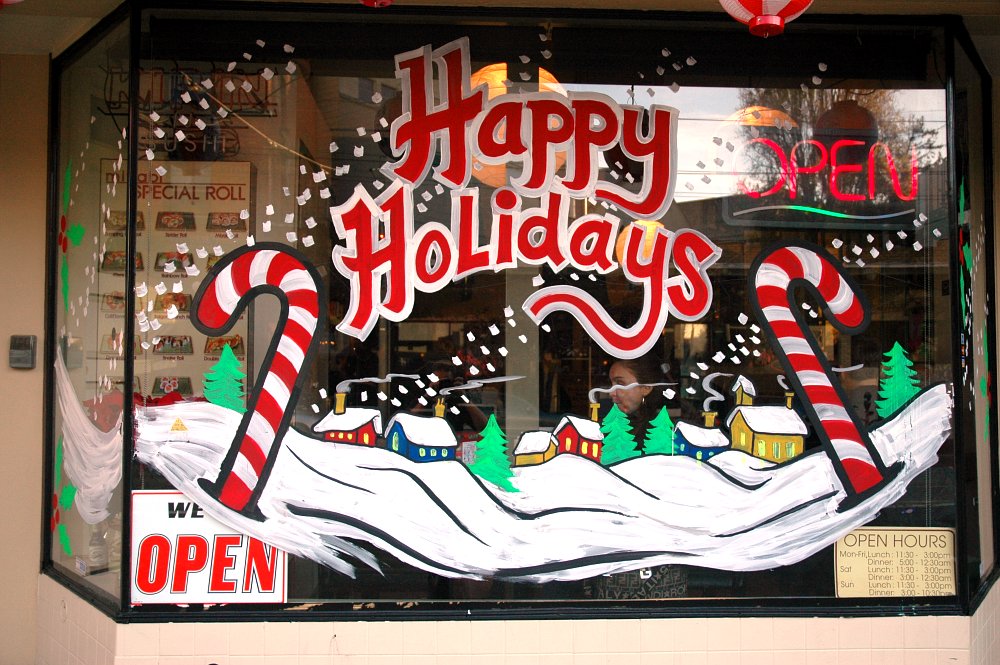
"Happy Holidays" and "Season's Greetings" always fit, whether Christmas is celebrated under the Christmas tree, Hanukkah (also known as the Jewish Festival of Lights) under the menorah, or Kwanzaa in African-American households. If you're not familiar with the term "Kwanzaa": It is a festival created by Maulana Karenga as an alternative to the traditional Christmas celebration for Black Americans, providing an opportunity to reflect on their African roots.
Kwanzaa originated during the civil rights movement in the 1960s. It lasts for 7 days and takes place at the end of December. However, we personally don't know anyone who celebrates Kwanzaa. But at the post office, there is always a nice Kwanzaa stamp available during the Christmas season. Personally, I don't really mind whether someone wishes me "Merry Christmas," "Happy Hanukkah," or "Happy Kwanzaa," as long as it comes from the heart. Business owners, however, fear that they might deter potential customers if they don't stay on neutral ground with their holiday greetings.
Now it should be noted that the English term "Christmas" directly includes the word Christ, while the German word "Weihnachten," meaning the holy night, is somewhat more subtle. "Christmas" is actually composed of Christ's Mass. The American founding fathers established in the Constitution with the so-called "Establishment Clause" that no particular religion should be favored by the state.
Now this doesn't prevent the religious right, as well as the previously mentioned Republican real estate agent in our neighborhood (Rundbrief 12/2002) from loudly protesting that "Merry Christmas" is disappearing from the vocabulary and therefore the Christian West is doomed. Perhaps a somewhat extreme view.

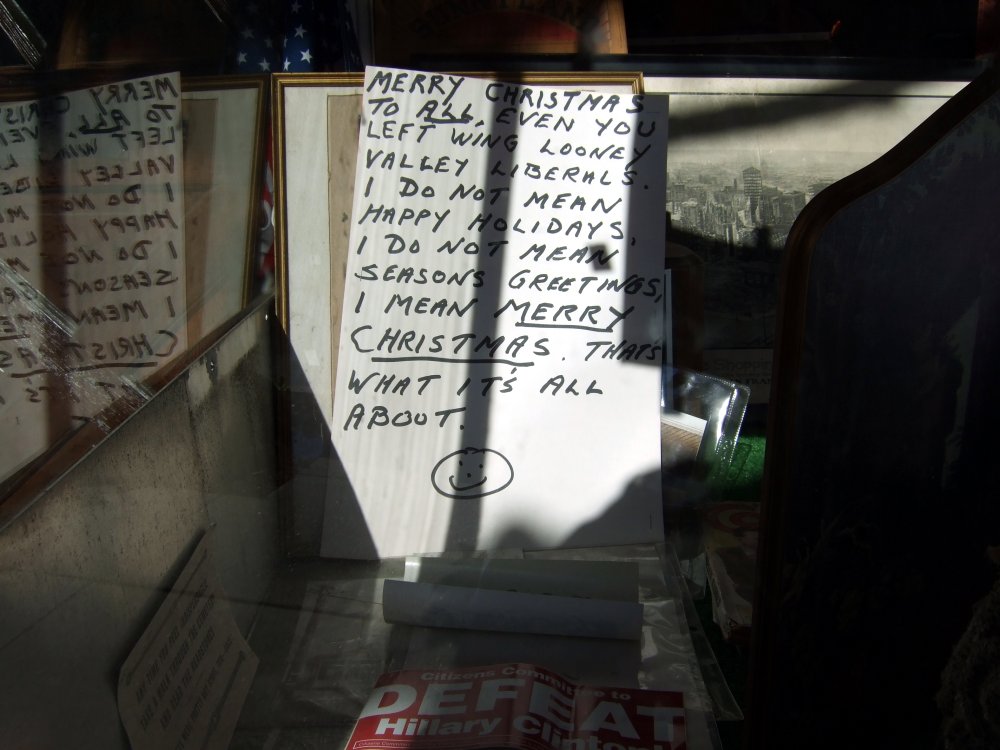
On the other hand, I can only laugh at some of the linguistic excesses used by politically correct people. When the "Christmas Tree" suddenly becomes the "Holiday Tree" and the Christmas party at Yahoo! turns into the "Year End Party," it does remind one a bit of the old East German times. Back then, christmas angels were also called "Year End Figures".
When I was still working in the Tenderloin, we once had a somewhat eccentric manager who thought that the delicate souls of children would be harmed if we didn't refer to angels as "year-end figurines." This seemed a bit absurd, as these children were growing up in one of the worst neighborhoods in San Francisco. They were dealing with poverty, drugs, and violence and didn't care much about politically correct terminology.
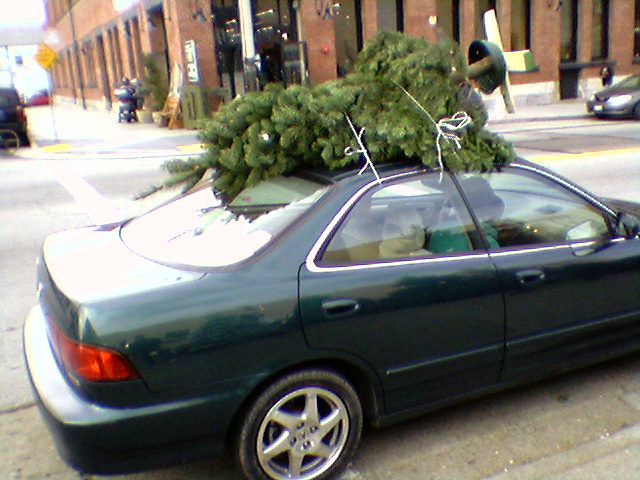
In any case, we wish you, from the bottom of our hearts, and all-encompassingly: Merry Christmas, whatever you celebrate!
Angelika und Michael


)
)
)
)
)